June 22, 2026
News From the Farm | June 22, 2026
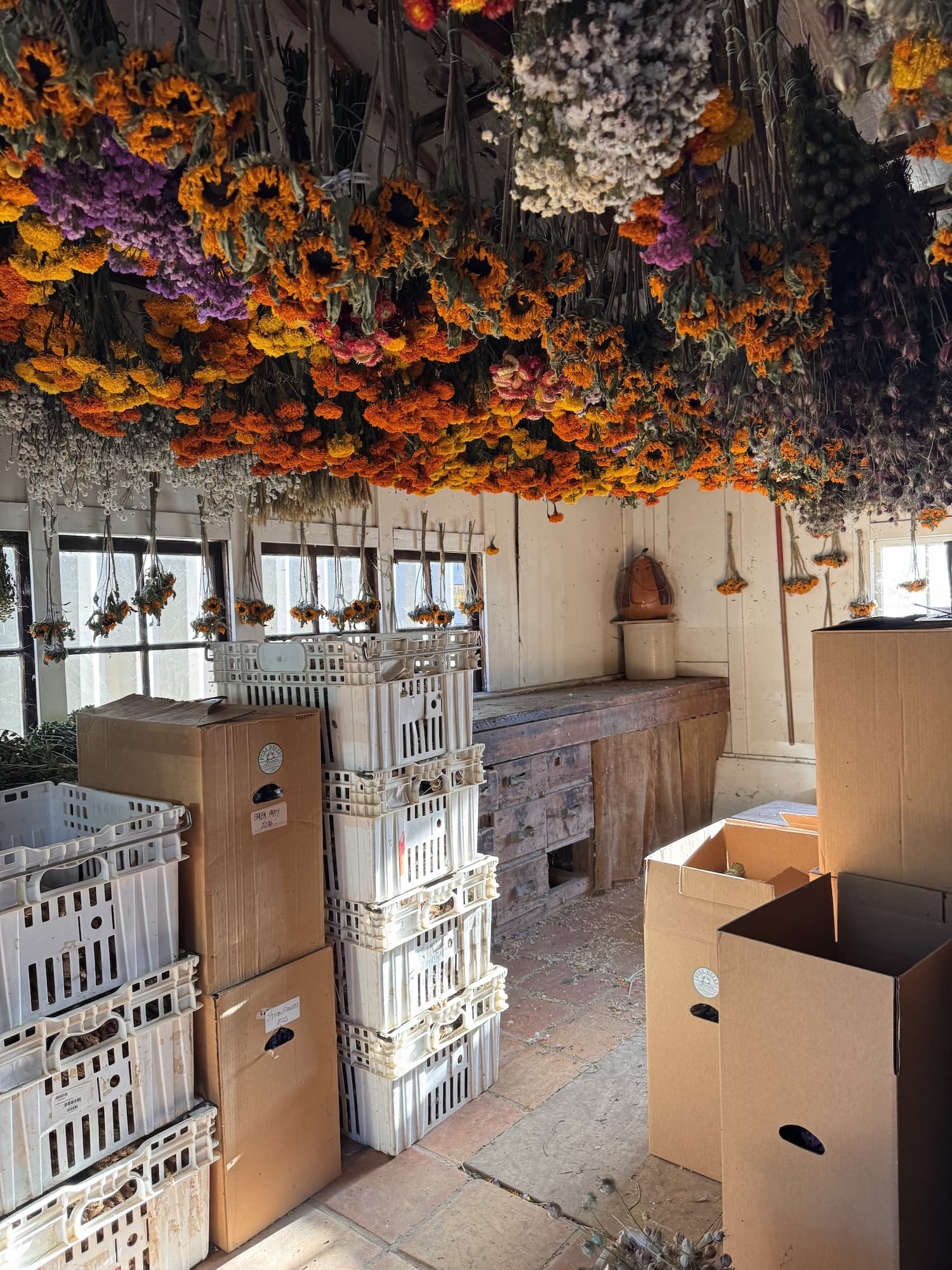
It’s easy to complain about the heat. It’s not just a matter of comfort; heat can be dangerous! But as much as we love cooler temperatures and rain, our hot, dry Mediterranean summers come with several benefits.
The benefit you’re most familiar with is really amazing tasting summer produce, especially our melons and tomatoes. I know you’re all eagerly awaiting the arrival of both in your boxes.
Something that the average eater is less likely to think about is disease management. Moisture drives plant diseases (mold, mildew, and fungus). Fungi and bacteria need water to spread and infect plants. The longer that leaves are wet, the more vulnerable they are to infection. In dense plants, like tomatoes, it’s hard to get air circulation deeper in the plants, leading to a lot of moldy fruit. Rain also can split fruits too – peppers, tomatoes, grapes, stone fruit, melons, and more. Farmers growing in other parts of the country with higher humidity and summer rain have a lot more to worry about than we do. In a normal summer for us, there’s no rain to deal with and we primarily irrigate with drip tape, providing water just to the plant’s roots, leaving the leaves dry. There still are plant diseases to deal with, especially those spread by bugs, but less than if we had rain and humidity.
The dry hot temperatures are also key to successfully harvesting and preserving our storage crops, including flowers, grains, and garlic and onions.
The wreath room (seen above) is currently full with drying flowers on the rafters and drying racks. It doesn’t need to be exceptionally hot to dry flowers, but it makes the process go a lot faster, which is helpful when drying space is limited and there’s a lot to dry! Once dry, they’re packed away to be used for fall wreaths and dried bouquets.
We’ll be drying flowers throughout the summer but this is the one time of year we harvest wheat and barley. We plant them in the fall just before it starts to rain, hopefully we get enough rain to irrigate them all winter long, and then we harvest in June. We can’t harvest if it’s wet; we don’t want all the grain to mold. While it’s dry now, we did have the rain and high winds in late May. It didn’t take long for them to dry out, but some varieties lodged (got knocked over). I heard the same from friends at other farms; it was forcing people to get creative to salvage their crop.
We also take advantage of the heat to cure our onions and garlic and dry both in the field. With the onions, we cut the tops, lift the bulbs from the soil, gather up the onions in burlap sacks, let them dry for about a week in the field, then bring them out of the sun to well-ventilated bins to use during the summer. Curing dries the outer layers and the top of the onions, protecting them from going bad and allowing us to store them. The garlic is much simpler; it’s lifted from the soil and laid in rows until we pick it up to store in bins. Again, the late rain messed up those plans, dampening garlic and onions that were drying in the field. You’ll notice that this summer’s garlic might look a bit grubby from getting rained on while drying in the field.
Too much of anything is a bad thing, and heat is no exception. Heat stressed plants, livestock, and people do not thrive, so we take steps to avoid that. But today is for focusing on the benefits of heat.
Elaine Swiedler, CSA Manager